
Can diet impact vitiligo?

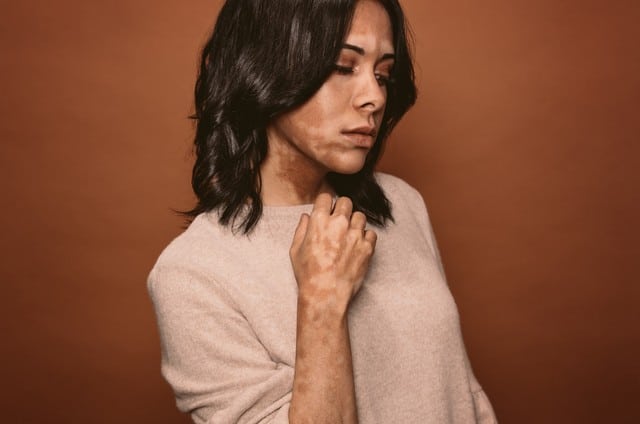
Anyone who has been diagnosed with vitiligo knows how frustrating the condition can be. The discoloration that occurs on the face and body can cause patients to feel embarrassed in their own skin. This chronic condition is somewhat mysterious, though dermatologists are learning more about it with time and research. Drs. Francisco Kerdel and Frank Don speak routinely with patients who have been diagnosed with vitiligo and help them in managing their condition in the best way possible. Many patients have a lot of questions about the condition, and want to find methods of reducing its severity or to keep it from progressing further. One question asked by our team is: can diet impact vitiligo?
What is vitiligo?
Vitiligo is best described as an autoimmune condition. It causes the cells in the body that produce skin pigment to become destroyed, causing irregular, unusual white patches of skin that can appear anywhere on the face and body. Many patients with this condition want to know what can be done about it, and whether or not their diet can cause the condition to worsen or improve.
Diet and vitiligo
The Vitiligo Support International believe that people with this genetic condition might be lacking in certain nutrients. However, there continues to be no supporting evidence that eating or abstaining from certain foods will impact the condition in a negative or positive manner. Even then, many patients who have the condition have found that a healthy, nutritional diet overall is good for not only their skin, but their overall body’s health. Foods that boost the immune system, including antioxidants and beta-carotene, can help with any type of autoimmune disorder. Additionally, some patients with vitiligo have found connections with certain foods and their impact on their vitiligo, including:
- Leafy greens
- Apples
- Bananas
- Chickpeas
- Root vegetables
- Dates
- Figs
Contact your dermatologist for expert advice and recommendations
If you reside in the community of Coral Gables, FL and want to work with our team at Florida Academic Dermatology Center to manage your vitiligo and other skin concerns, we invite you to call for an appointment. Our practice can be reached by calling (305) 324-2110 and accepts new patients interested in working with Drs. Francisco Kerdel and Frank Don.
Request An Appointment Online
-
Florida Academic Dermatology Center
475 Biltmore Way, Suite 207, Coral Gables, FL 33134Mon–Fri 8:30 AM – 5:00 PM · Sat–Sun Closed
The form is loading. If it does not appear, call (305) 324-2110.